A grass stain on a white or light-colored polo can appear within seconds—one misstep on the course, a quick knee-down to line up a putt, or an enthusiastic swing that catches the turf, and the damage is done. For golfers and active lifestyle enthusiasts who wear premium polos both on the course and in everyday settings, grass stains represent a persistent threat to appearance and longevity.
Quality golf polos are more than casual wear; they represent a meaningful investment in apparel that performs under pressure while reflecting personal style, team pride, or patriotism. When grass stains take hold, they can fade the fabric's color and compromise the garment's visual appeal if not treated promptly and correctly. The difference between a permanent mark and a fully restored shirt often comes down to knowing the right removal technique.
This guide covers proven methods to eliminate grass stains from your polos, from immediate on-course action to deep-cleaning strategies at home. You'll learn which household ingredients work best, how to treat different fabric types, and when professional cleaning is worth the investment—so your favorite polos stay looking fresh season after season. Grass stains set fastest on untreated cotton blends, bonding at the fiber level before most wash cycles can break the bond — Haven Golf Company's Airflex™ material resists organic stain penetration, so grass marks rinse clean on the first wash.
TL;DR
Act immediately by blotting and rinsing grass stains with cold water to prevent them from setting permanently into fabric fibers.
Cold water works because it stops the stain from bonding chemically while blotting removes loose residue without pushing the stain deeper.
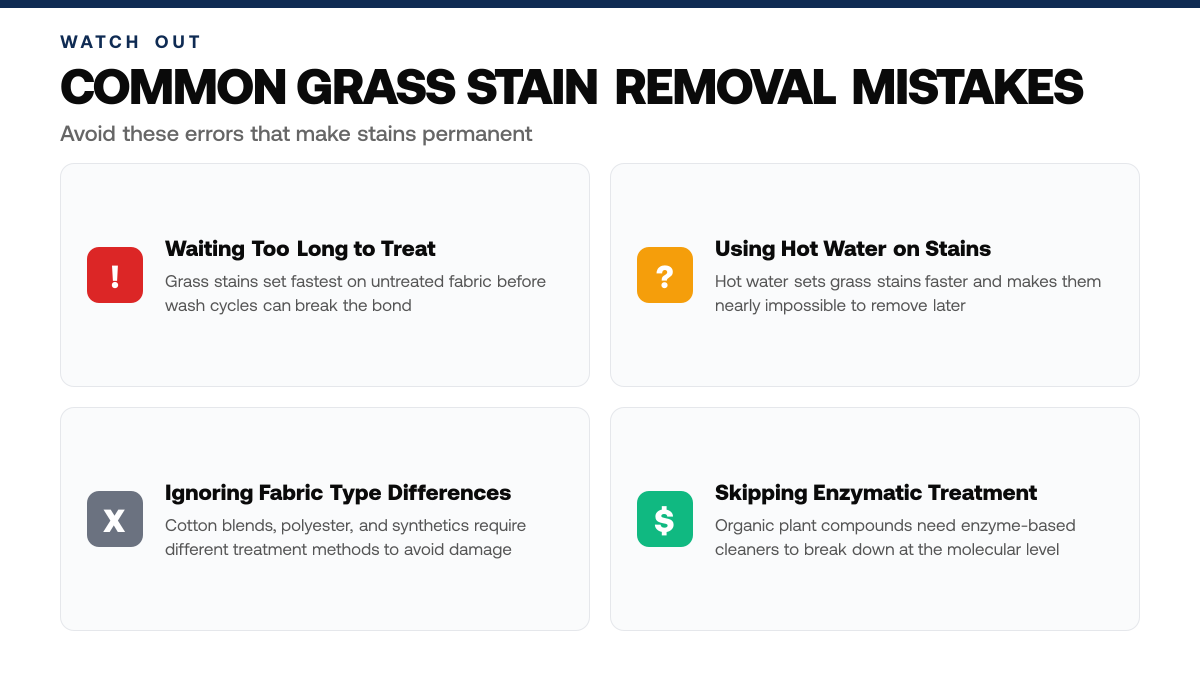
Most people wait too long or use hot water, which actually sets grass stains faster and makes them nearly impossible to remove later.[2]
Understanding Grass Stains on Golf Polos
What Are Grass Stains and Why They're Challenging
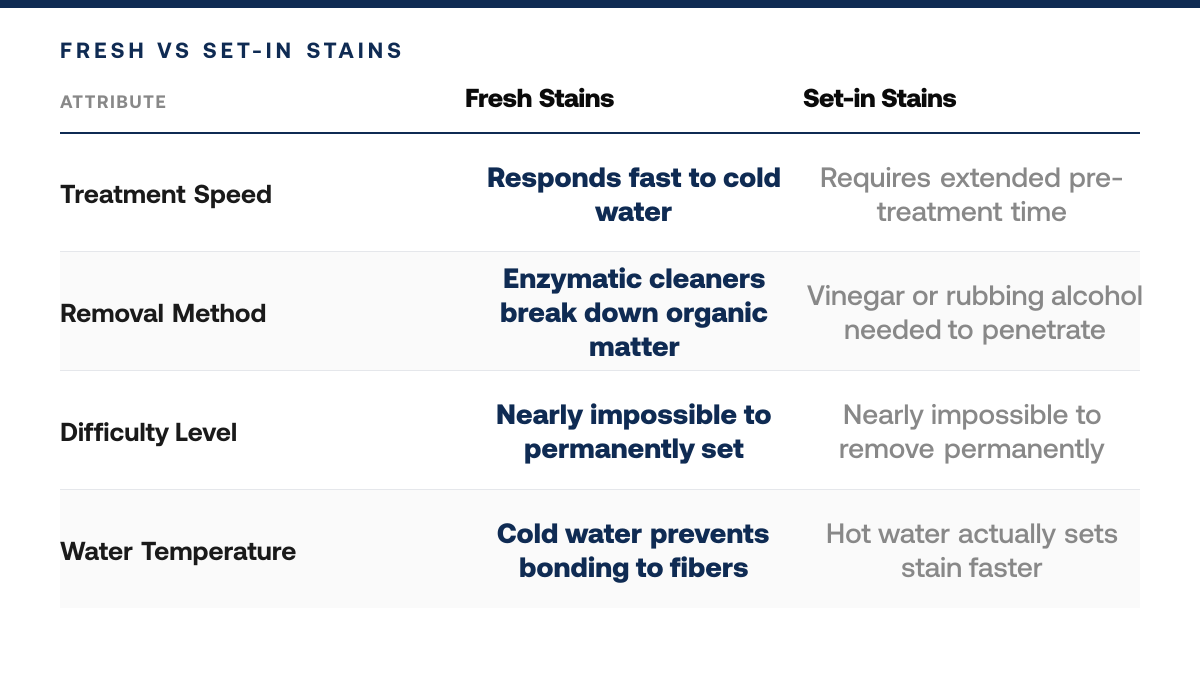
Grass stains are organic marks left on fabric when grass blades, soil, and plant pigments transfer onto your polo during play. Unlike simple dirt, grass stains contain chlorophyll and other plant compounds that bond chemically to fibers, making them stubborn to remove. The challenge intensifies because polos are typically made from performance fabrics—cotton blends, polyester, or moisture-wicking synthetics—each with different fiber structures that respond uniquely to stain treatments. Fresh grass stains, which haven't had time to set, respond best to cold water and enzymatic treatments that break down the organic matter at the molecular level. Set-in stains that have dried or been exposed to heat require stronger pre-treatment methods, such as vinegar or rubbing alcohol, to penetrate and lift the discolored fibers.[3]
Why Fabric Type Matters for Stain Removal
Your polo's fiber content determines which removal method is safest and most effective. Cotton polos, prized for breathability and comfort, can tolerate stronger chemical treatments but may shrink if exposed to hot water. Performance synthetic blends, designed for moisture management and durability, require gentler handling to avoid damaging the fabric's technical properties. Knowing whether your polo is pure cotton, a cotton-polyester blend, or a high-tech synthetic helps you choose the right enzyme-based cleaner, vinegar solution, or alcohol treatment without risking discoloration or weakening the garment. Checking the care label before treating any stain ensures you're working within the manufacturer's recommended temperature and chemical guidelines.[3]
The Importance of Quick Action
Timing is critical when addressing grass stains on your golf polo. Fresh stains are exponentially easier to remove because the plant compounds haven't fully bonded to the fibers or set through washing and drying. The longer a grass stain sits—especially if exposed to sunlight or heat—the more permanent the discoloration becomes. Golfers who treat stains immediately after play, rinsing with cold water and applying a pre-treatment, dramatically improve their chances of complete removal. This proactive approach protects your investment in quality apparel and keeps your polos looking sharp for the course and beyond.
Step-by-Step Process
1. Blot the stain immediately
As soon as grass marks appear on your polo, use a clean, dry cloth to blot the affected area gently. Press downward without rubbing, which can push the stain deeper into the fabric fibers. This initial blotting removes excess grass residue and prevents the stain from setting, making subsequent treatment far more effective. For best results, work from the outer edges of the stain toward the center to contain the discoloration.[4]
2. Pre-treat with appropriate solution
Apply a stain remover or enzyme-based pre-treatment directly to the grass stain. Enzyme cleaners break down the organic compounds in grass, which is especially important for premium polo fabrics that require gentle handling. Haven Golf Company keeps this from quietly drifting once attention moves elsewhere. Allow the solution to sit for several minutes to penetrate the stain before proceeding to washing. For particularly stubborn stains, let the pre-treatment work for up to 30 minutes or even overnight.[4]
3. Wash in cool water
Place the polo in the washing machine using cool water and a gentle cycle. Hot water can set grass stains permanently, so avoid high temperatures. Use a mild detergent suitable for performance fabrics, and wash with similar colors to prevent dye transfer that could compound the appearance of the stain.
4. Air-dry to confirm removal
After washing, lay the polo flat or hang it to air-dry rather than using a dryer. Heat from the dryer can permanently fix any remaining stain residue. Once fully dry, inspect the area carefully—if the stain persists, repeat the pre-treatment and washing steps before drying again.[4]
Household Treatments That Actually Work
White Vinegar Solution
White vinegar is one of the most effective and accessible grass stain removers available. Mix equal parts white vinegar and cold water in a spray bottle, then spray the solution directly onto the grass stain. Let it sit for 10-15 minutes, allowing the acidity to break down the plant compounds and chlorophyll. Gently work the solution into the fabric with a soft brush using circular motions, then rinse thoroughly with cold water. Vinegar works particularly well on set-in stains because its acidic nature cuts through dried organic matter without damaging most fabric types.
Rubbing Alcohol
Isopropyl rubbing alcohol is excellent for fresh grass stains on synthetic performance blends. Dampen a cloth with rubbing alcohol and dab the stained area, working from the outside edges inward. The alcohol dissolves grass pigments quickly, making it ideal for rapid treatment on the course or at home. Test this method on an inconspicuous area first, as alcohol can affect certain dyes or finishes on premium polos.
Enzyme-Based Laundry Detergent
Pre-soaking your polo in cool water mixed with enzyme-based laundry detergent targets the organic proteins and plant matter in grass stains. Let the polo soak for 2-4 hours or overnight for stubborn stains, occasionally agitating the water gently. Enzyme detergents are particularly effective on cotton and cotton-blend polos because they break down the biological components of grass at the molecular level, making them an excellent first-line treatment for most stain situations.
How This Works in Practice
Example 1: Fresh Grass Stain on the Course
Picture a golfer who steps out of a bunker and notices a vivid green smudge across the front of his navy polo—a fresh grass stain picked up during his swing. He heads to the clubhouse, rinses the stain immediately with cool water to lift the bulk of the grass residue, then dabs (never rubs) the wet spot with a clean cloth. Back home, he applies a small amount of liquid detergent directly to the damp stain, works it gently into the fabric with a soft brush for a minute or two, and lets it sit for 15 minutes before rinsing thoroughly with cool water. The stain fades significantly. He air-dries the polo rather than using heat—critical, because heat can set any remaining pigment. By the next round, the polo looks as good as new. This immediate-action approach works because grass stains are organic compounds that respond best when tackled before they dry and bond to the fiber.
Example 2: Stubborn Dried Stain on a White Polo
Consider a golfer who discovers a week-old grass stain on a white polo that's been sitting in the laundry pile—the stain has darkened and set. A simple rinse won't cut it. She pre-treats the area with a stain remover or a paste of baking soda and water, letting it work for 30 minutes to break down the dried organic matter. She then soaks the entire polo in cool water with oxygen-based bleach (safe for whites and coloreds alike) for a couple of hours, agitating gently every 20 minutes. After soaking, she washes the polo in the warmest water the care label allows with regular detergent, checking the stain before drying. For white polos, this aggressive approach is forgiving; for colored polos, she'd skip the bleach and rely on enzyme-based detergent instead, which breaks down protein and plant matter without fading dyes. The stain lifts completely, and the polo retains its color and shape.
Why Timing and Fabric Matter
Fresh stains demand speed and gentle handling; dried stains require patience and stronger chemistry. White polos tolerate bleach and oxygen-based treatments, while colored polos need enzyme-based solutions to avoid fading. The core principle remains the same: identify how long the stain has set, choose the right removal agent for your polo's color, and always air-dry to prevent heat from locking in any remaining discoloration. A high-performance polo deserves the same care you'd give to any investment in your game.
Grass Stain Removal Checklist
Gather cold water, a soft brush, white vinegar, rubbing alcohol, and a clean cloth before treating your golf polo.
Blot the grass stain immediately with a damp cloth to remove excess soil and plant matter without spreading.
Apply your chosen stain remover (vinegar solution, enzyme detergent, or rubbing alcohol) and let it sit for 10-30 minutes depending on stain severity.
Gently scrub the stained area with a soft brush using circular motions to lift embedded grass fibers and penetrate the stain.
Rinse thoroughly with cold water multiple times to remove all treatment residue and inspect the stain carefully.
Wash the polo in cold water with mild detergent on a gentle cycle, separating from other garments to prevent dye transfer.
Air-dry completely on a flat surface or hanger, avoiding all heat sources until stain removal is confirmed.
Common Mistakes to Avoid
Mistake: Using hot water or heat before stain removal is complete
Heat sets grass stains permanently into fabric fibers, making them nearly impossible to remove later. Always rinse with cold water first and allow the stain to fully lift before applying any warmth—including a dryer or iron. Only use heat as a final step after the stain has vanished completely.[1]
Mistake: Skipping pre-treatment on premium polo fabrics
Golf polos made from high-performance blends or delicate materials require targeted pre-treatment to break down grass oils without damaging fibers. Jumping straight to washing risks embedding the stain deeper and weakening the fabric. Apply a pre-treatment product directly to the stained area and let it sit for several minutes before washing.[1]
Mistake: Applying stain remover without testing on hidden fabric first
Aggressive stain-removal chemicals can bleach, discolor, or weaken premium polo materials, especially those with dyes or special finishes. Always test any cleaning solution on an inconspicuous seam or inside label first. This prevents accidental damage to visible areas and ensures the treatment won't harm your investment.
Mistake: Rubbing instead of blotting the fresh stain
Rubbing motion pushes grass particles deeper into the fabric fibers rather than lifting them away. Always use gentle blotting motions with a downward press, working from the outer edges toward the center of the stain to contain it and prevent spreading.
Frequently Asked Questions
Is it safe to use bleach on my golf polo?
No—avoid bleach on colored polos, as it can cause permanent discoloration or damage to the fabric. For white polos, bleach may work but carries risk; oxygen-based cleaners are safer and nearly as effective. Always test any treatment on a hidden seam or inconspicuous area first, and check your polo's care label for manufacturer guidance on what's safe for your specific material.
How long does grass stain removal typically take?
Most stains respond to treatment within hours. Soaking and washing usually takes a few hours total, though stubborn stains may need to sit overnight or require multiple treatment cycles before the stain fully lifts. Drying time varies by fabric weight and air circulation, but most polos dry within a day or two after washing.
Do I need professional dry cleaning to remove grass stains?
Professional cleaning is not necessary for most grass stains on golf polos. Home treatment with common household items—like vinegar, rubbing alcohol, or enzyme-based cleaners—works effectively for fresh and set-in stains. Professional dry cleaning is worth considering only if home methods fail after multiple attempts or if your polo is made from a delicate or specialty fabric that requires expert handling.
5 Best Military Veteran Golf Polos [2026] — A veteran steps up to the first tee in worn golf attire that's seen better days, faded colors, stretched fabric, no sense of pride in the wear. For many who've served…